Artists / Clyfford Still
Who was Clyfford Still, and what is his art about?
Clyfford Still (1904 to 1980) was an American painter who pioneered Abstract Expressionism on the West Coast, moving from figures and landscapes to abstraction between 1938 and 1942. His immense canvases pit jagged fields of black, red, yellow and exposed canvas against one another to express creation, human struggle, life and death. Their scale and rough oil-painted surfaces turn looking into a physical encounter, while his rejection of descriptive titles leaves viewers free to interpret what they see. [1] [2] [3]
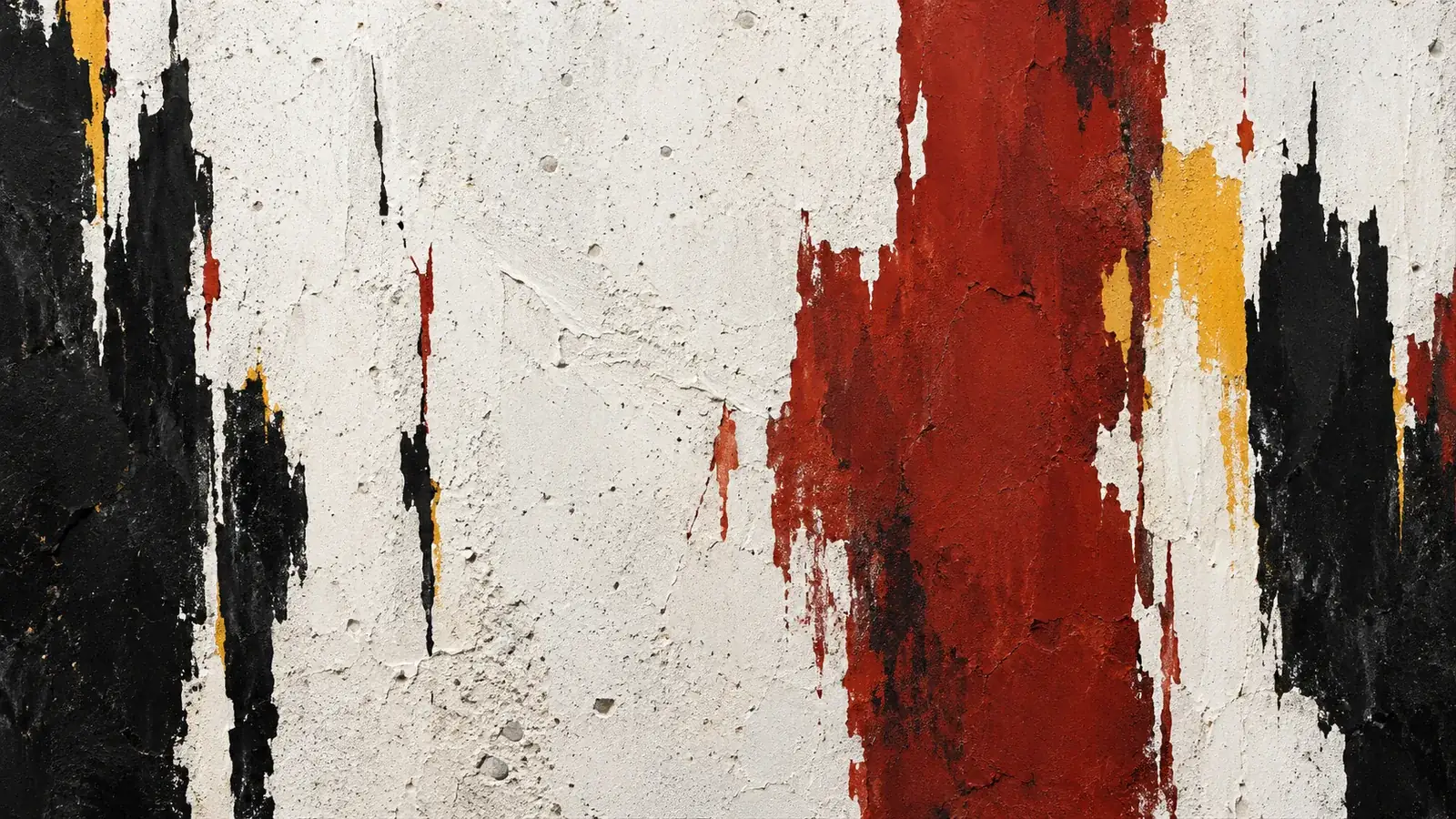
How do you look at a Clyfford Still painting?
A Clyfford Still painting can be approached through scale, boundaries and surface before identifying a subject. The museum’s Random Questions activity starts with silent observation; Stanford’s description of 1957-J No. 1 offers a verbal route through colour, position and texture. The following sequence is our viewing exercise. [4] [5]
- Step back. Find the largest field and smallest interruption. Which controls your attention?
- Follow a jagged edge. Notice where it narrows, breaks or meets the canvas boundary.
- Move closer within the permitted distance. Compare ridges, thin paint and exposed weave.
- Step back again. Does a dark area advance like a wall or recede like an opening?
- Compare your response with a companion’s. Identify the visible feature behind each association.
What is Clyfford Still's art about?
Clyfford Still’s mature paintings address human existence through colour, surface and scale rather than an illustrated story. Buffalo AKG’s 2005 exhibition connects them with life, death and persistence. His museum quotes his description of “life and death merging in fearful union”; the original occasion of that statement is not identified. [6] [7]
A narrow upright surrounded by a broad field can suggest resistance or vulnerability. That is a looking suggestion, not a code assigning death to black and life to yellow. Compare a colour’s size, placement and edge before giving it a symbolic meaning.
Are Clyfford Still's paintings landscapes or figures?
Clyfford Still painted people and landscapes early in his career, but his mature abstractions do not identify particular places. The Whitney acknowledges mountain, cavern, earth and sky associations; the Met explains how his abstraction also grew from progressively simplified bodies. Neither reading establishes a literal subject. [8] [9]
Paloma Alarcó’s Thyssen account distinguishes landscape associations from Still’s ambition to create an experience of liberation. A vertical shape may resemble a body or cliff; a horizonless expanse may resist either identification. [10]
How did Clyfford Still make his paintings?
Clyfford Still mixed his own oil paints and worked primarily with palette knives, also using brushes, on upright stretched canvas. The museum describes unprimed cotton duck sized with rabbit-skin glue: unprimed does not mean wholly untreated. Raised impasto, thin passages and uncovered support make the canvas’s material part of the composition. [11] [2]
Paint thickness and sheen matter as much as hue. In 1954-PH-1123, Peter Plagens’s December 2011 account identifies gloss variations associated with differing amounts of linseed oil. Small reproductions flatten those differences and the painting’s bodily scale. [12]
Still also made drawings, pastels, prints and a few sculptures. Later experiments included commercial paints and a roller; many late canvases became lighter and more open. [11]
Was Clyfford Still an Abstract Expressionist or a Color Field painter?
Clyfford Still belongs to first-generation Abstract Expressionism; Color Field describes his broad expanses but understates his forcefully worked surfaces. Bilbao places him between gestural abstraction and colour-field painting. The Thyssen contrasts his irregular fields with the simpler arrangements of Rothko and Newman. [13] [10]
As a visual comparison, Rothko’s softer blocks invite hovering, Pollock’s poured networks invite tracking, Newman’s vertical bands divide expanses, and Still’s jagged boundaries make fields interlock and pull apart. These are viewing prompts, not complete descriptions of four careers.
Still’s move into abstraction between 1938 and 1942 preceded several peers’ departures from figurative-surrealist work. His western teaching and painting complicate a purely New York history. The wider generation included de Kooning, Motherwell, Grace Hartigan, Lee Krasner, Norman Lewis and Joan Mitchell. [1]
What do Clyfford Still's PH numbers mean?
Clyfford Still's PH numbers identify inventory photographs rather than meanings. The museum explains PH as “PHotograph”, with PP for pastels, PD for drawings and PL for lithographs. Still stopped assigning titles after 1947 and removed earlier titles to reduce imposed associations. [14]
Clyfford Still's paintings can consequently appear under more than one identifier, such as 1957-D-No. 1 and PH-48. Match the year, alternative designation, collection and accession number before assuming that two records identify different objects. Use the recorded creation date for chronology rather than guessing from the inventory sequence. [15]
Which Clyfford Still paintings should you know?
Clyfford Still’s development can be traced through nine paintings from 1944 to 1965, linked below to authorised museum images. Dimensions are height before width; records were checked on 30 October 2026. Paintings are linked rather than reproduced because they remain in copyright.
What changed in 1944-N No. 2?
Still’s 1944-N No. 2 (1944), MoMA, is oil on canvas, 264.5 × 221.4 cm, object 655.1967. Black impasto and a jagged red line replace a recognisable scene. Compare it with MoMA’s Figure, also dated 1944, to see figuration and abstraction coexist. [16] [17]
Why look at 1946-H (Indian Red and Black)?
Still’s 1946-H (Indian Red and Black) (1946), Smithsonian American Art Museum, measures 78¼ × 68⅜ inches. Its retained colour-name designation provides a comparison with his later rejection of descriptive titles. [18]
Why is 1947-H No. 1 important?
Still’s 1947-H No. 1 (PH-265) (1947), the Met, is oil on canvas, 233.7 × 147.3 cm, accession 2006.32.60. The museum traces its upright forms to the abstraction of bodily details. Look for a sense of standing without an identifiable person. [9]
How does PH-950 make colour feel active?
Still’s PH-950 (1950), Clyfford Still Museum, is oil on canvas, 233.7 × 177.8 cm. Bilbao describes luminous orange-yellow confronting black across uneven paint densities, with pale interruptions at their meeting. Follow the bright field first as a solid shape, then as an opening. [13]
How can you read 1954-PH-1123?
Still’s 1954-PH-1123, also catalogued as PH-1123 (1954 No. 2), spreads orange, blue, white, grey and black across a roughly nine-by-thirteen-foot canvas. Plagens’s December 2011 reading follows its changing colour and gloss; compare his left-to-right route with the impact of the whole. [12] [65]
What does PH-386 reveal beyond the American collections?
Still’s PH-386 (1955), Shiga Museum of Art, Japan, is oil on canvas, 287.0 × 393.7 cm. Yellow, blue, orange and grey press against exposed canvas. Shiga’s 2025 checklist dates acquisition to fiscal year 1988. Does the bare support read as emptiness or another active field? [19] [20]
Why is 1957-D-No. 1 a key painting?
Still’s 1957-D-No. 1 (PH-48) (1957), Buffalo AKG, is oil on canvas, 287.02 × 403.86 cm, accession K1959:26. Its 2016 label describes yellow and beige interlocking with dense black to make space advance and recede. Compare that balance with Shiga’s yellow-dominated painting. [15]
How does 1957-J No. 1 differ?
Still’s 1957-J No. 1 (PH-142) (1957), Stanford’s Anderson Collection, emphasises brick-red uprights, black, white and yellow accents over beige canvas. Stanford’s audio transcript maps thick paint and exposed support, making comparison with Buffalo’s painting unusually precise. [5]
What changed in 1965 (PH-578)?
Still’s 1965 (PH-578), Thyssen-Bornemisza, Madrid, is oil on canvas, 254 × 176.5 cm, inventory 766. Alarcó describes irregular overlapping fields that look torn open to reveal another layer. Apparent tearing is a painted effect, not evidence of collage. [10]
Where did Clyfford Still live, teach and work?
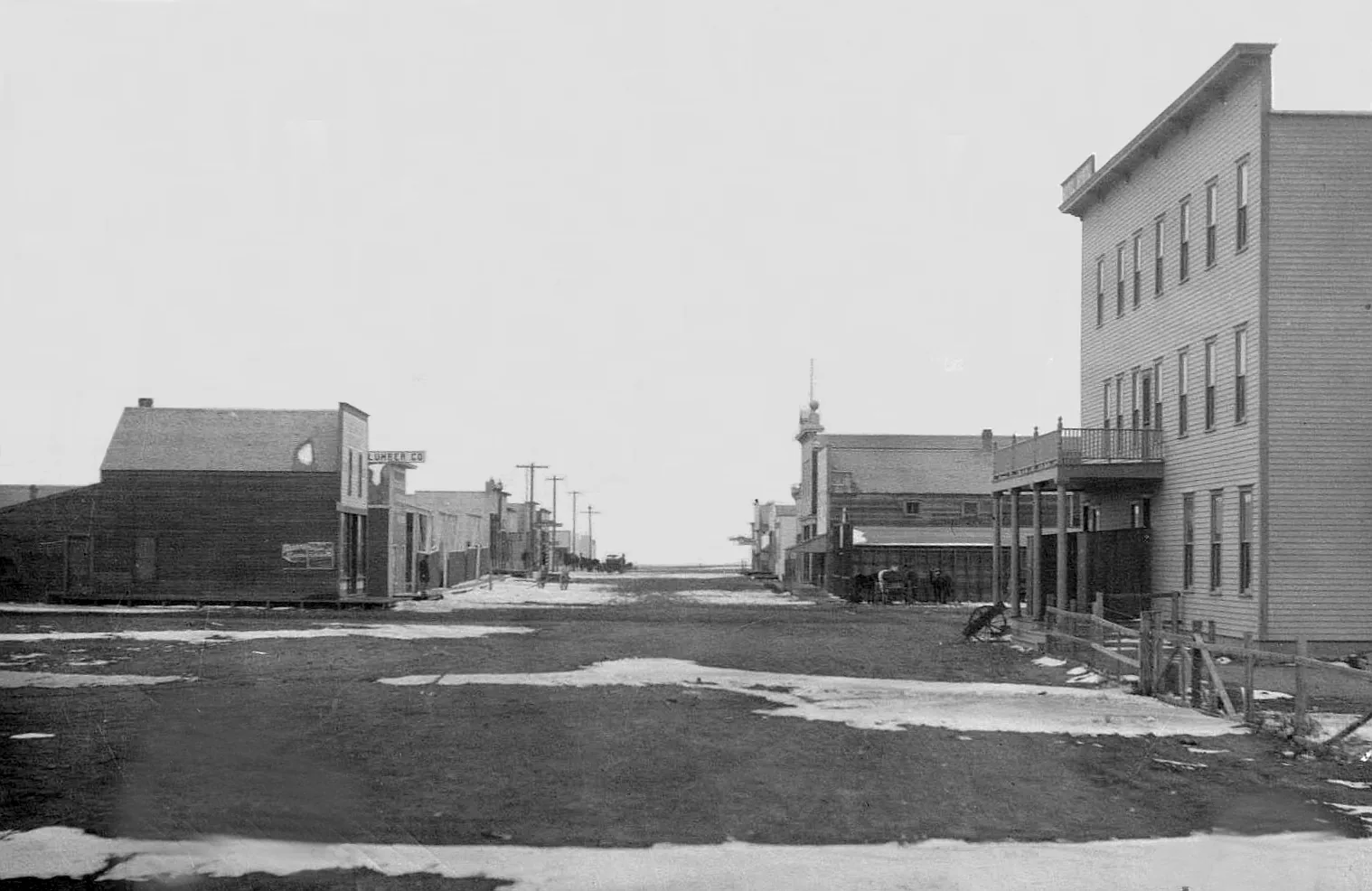
Clyfford Elmer Still was born in Grandin, North Dakota, on 30 November 1904 and grew up in Spokane, Washington, and Bow Island, Alberta. His career connected Washington State, Virginia, San Francisco, New York and rural Maryland. The archive inventory supplies his full name; the Whitney supplies his birth date. [21] [8] [1]
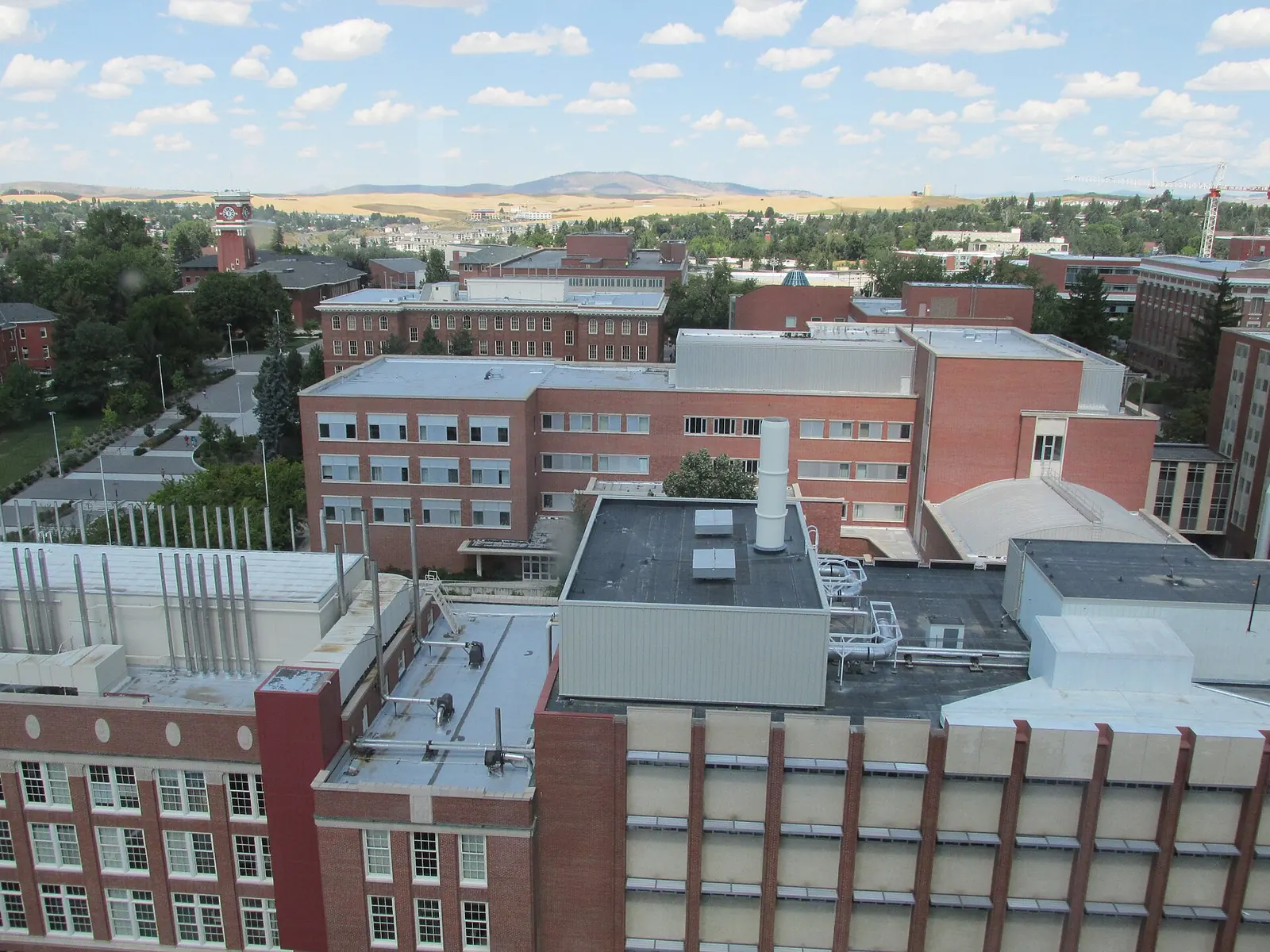
Still briefly attended the Art Students League in 1925, graduated from Spokane University in 1933 and earned his MFA at Washington State College in 1935. Thyssen dates his combined study and teaching there to 1933 to 1941; the museum’s Grand Coulee research confirms the MFA. Summers at Yaddo in 1934 and 1935 allowed him to develop painting beyond recording his surroundings. [22] [23] [24]
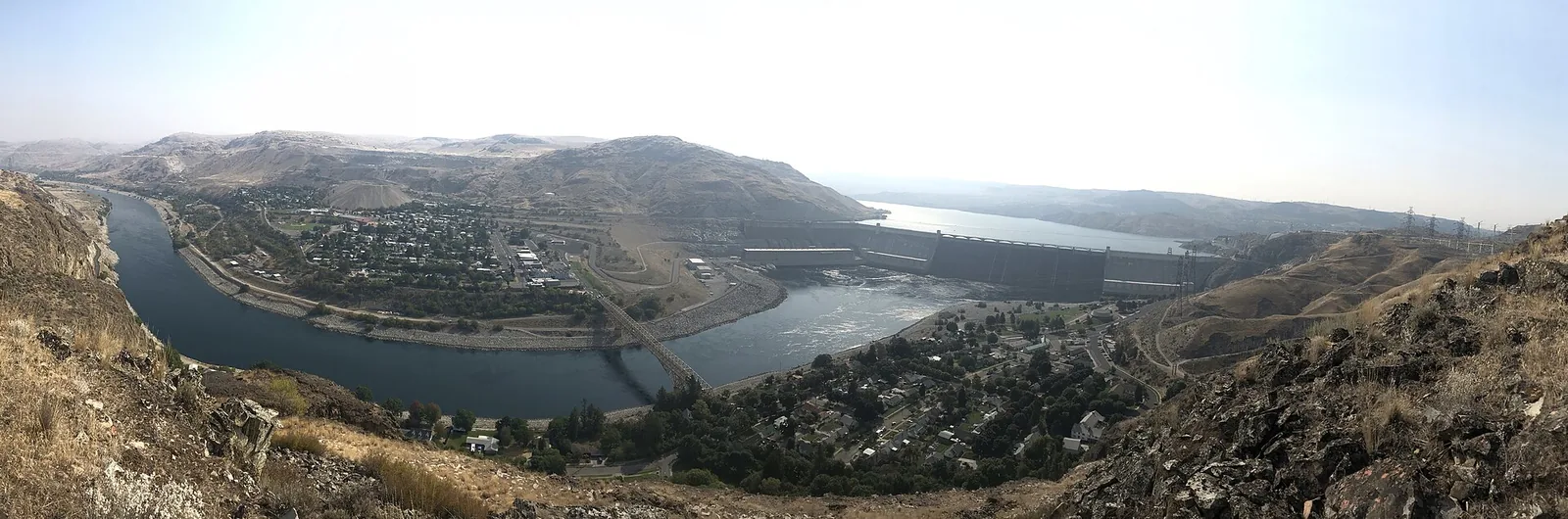
Still photographed Grand Coulee Dam’s construction in 1936 and co-founded the Nespelem Art Colony with Worth Griffin in 1937. His early portraits of Colville Reservation residents now receive interpretation from descendants and young community co-curators. [24] [25] [26]
Still’s first solo exhibition was in San Francisco in 1943, the year he met Rothko and began teaching in Richmond, Virginia. Rothko introduced him to Peggy Guggenheim in 1945; her Art of This Century gallery gave him a solo show in 1946. He led graduate painting at the California School of Fine Arts from 1946 to 1950, influencing Bay Area abstraction, and exhibited with Betty Parsons in 1947, 1950 and 1951. [27] [28]
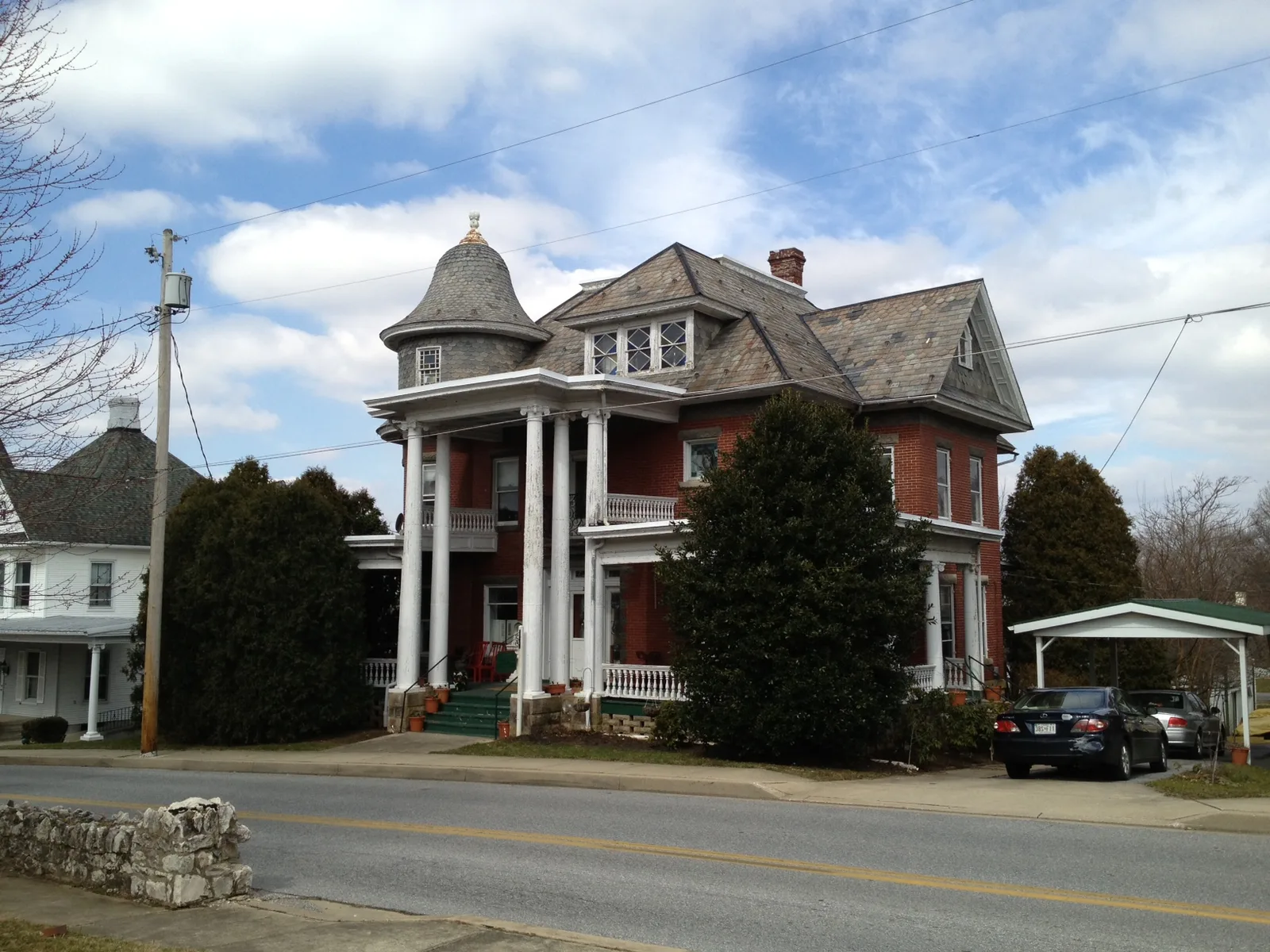
Still’s first wife was Lillian Augusta Battan; their daughters were Diane and Sandra. He married Patricia Alice Garske in 1957. Patricia helped document and preserve his work and later secured its museum home. The farm near Westminster, purchased in 1961, preceded the couple’s additional New Windsor house in 1966. [21] [25] [29] [30]
Why did Clyfford Still control exhibitions so closely?
Clyfford Still wanted a coherent body of paintings encountered without dealers, labels or other artists directing the response. He ended his relationship with Betty Parsons in 1951 and required a separate gallery in MoMA’s Fifteen Americans in 1952. That protected his intended viewing conditions while limiting access and comparison. [31] [32]
His independence also included collective action: Still signed the artists’ protest against the Met’s American Painting Today competition, dated 20 May 1950 and reported on 22 May. Later recognition included the Met’s 1979 to 1980 retrospective: 79 paintings from 1942 to 1978, documented with notes, letters and photographs. [33] [34]
What do Clyfford Still’s photographs and archives reveal?
Clyfford Still’s archive records an extensive photographic practice and the construction of his legacy. Farrah Cundiff’s 2020 inventory lists approximately 23,500 photographic objects, including negatives, slides, prints and contact prints, within roughly 500,000 archival items. [21]
Letters involving Pollock, Rothko, Greenberg and Guggenheim sit alongside manuscripts, pigments, tools, a library and recordings. The Smithsonian’s Pollock correspondence includes respect as well as criticism, complicating the stock portrait of an isolated, hostile artist. [35] [36]
Why is the Clyfford Still Museum in Denver?
The Clyfford Still Museum is in Denver because Patricia Still chose the city in 2004 to fulfil his will, signed on 2 May 1978: his remaining collection was to stay in permanent quarters devoted exclusively to its preservation, exhibition and study. The will prohibited sale, gift or exchange of those works. The museum opened on 18 November 2011. Denver was chosen for his legacy, rather than being his principal working city. [30] [3]
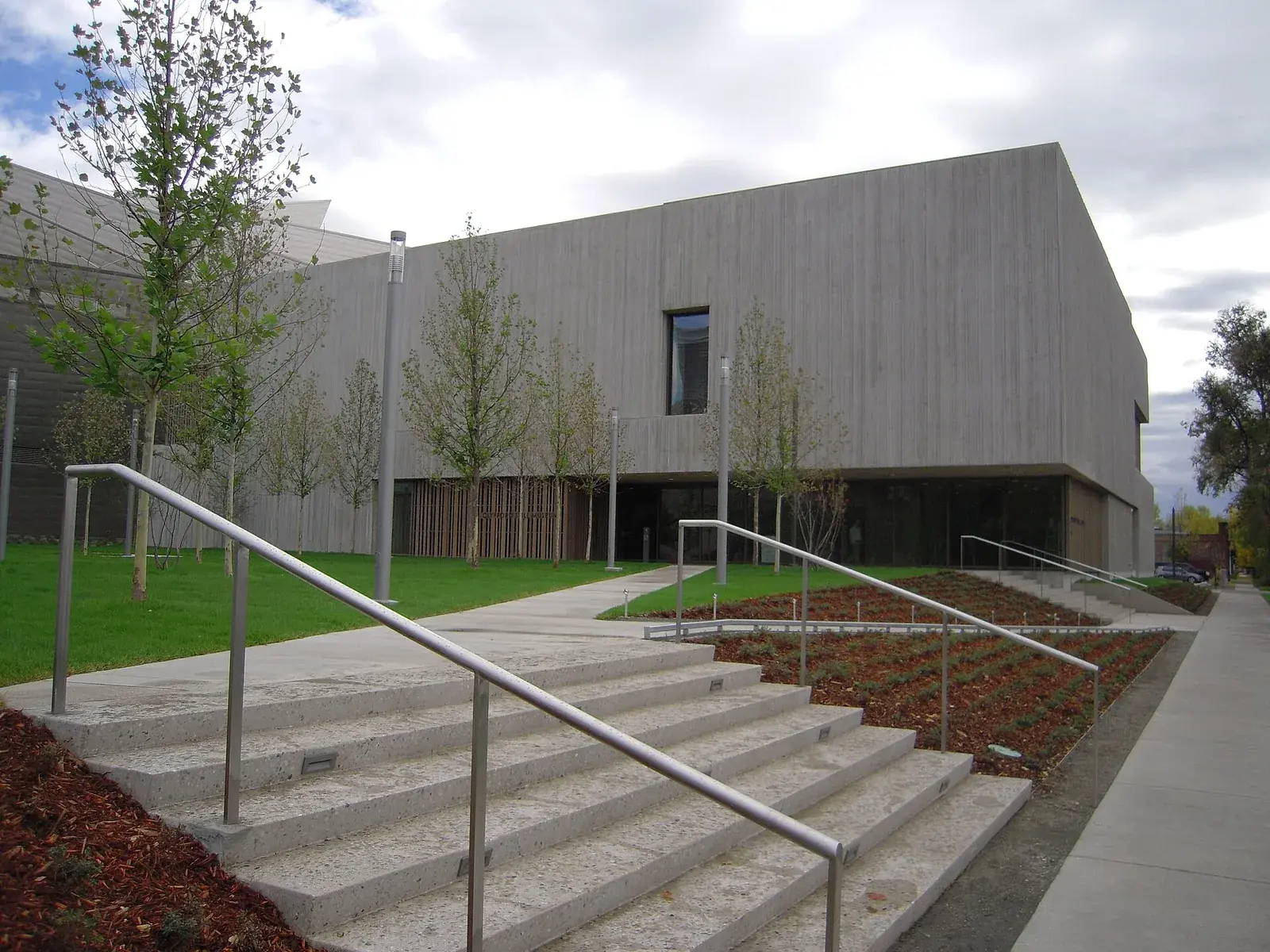
The collection page, accessed 30 October 2026, reports approximately 3,125 works, more than 93% of Still’s lifetime output: about 830 paintings, over 2,300 works on paper and three sculptures. The frequently repeated 95% describes the estate in older accounts; neither percentage means that all those works are simultaneously displayed. [14] [21]
Brad Cloepfil of Allied Works Architecture designed the two-storey, 28,500-square-foot museum with nine galleries. Textured cast-in-place concrete, controlled daylight and a progression from a darker entrance to lighter upper rooms shape the encounter. Artsy’s November 2016 report describes guest selections and digital comparisons that broaden context within the single-artist restrictions. [37] [32]
What have Clyfford Still’s paintings sold for?
Clyfford Still’s 1949-A-No. 1 (1949) sold for $61,682,500 at Sotheby’s New York on 9 November 2011, setting his auction record. The city of Denver consigned four paintings from Patricia Still’s estate to support the new museum’s endowment; together they brought about $114.1 million including buyer’s premium. [38] [39]
| Work | Sale date and venue | Result |
|---|---|---|
| 1949-A-No. 1 (1949) | 9 November 2011, Sotheby’s New York | $61,682,500 [39] |
| 1947-Y-No. 2 (1947) | 9 November 2011, Sotheby’s New York | $31,442,500 [38] |
| PH-1033 (1976) | 9 November 2011, Sotheby’s New York | $19,682,500 [38] |
| PH-351 (1940) | 9 November 2011, Sotheby’s New York | $1,258,500 [38] |
| PH-234 (1948) | 10 May 2016, Christie’s New York | $28,165,000 [40] |
| PH-125 (1948-No. 1) (1948) | 12 May 2021, Sotheby’s New York | $30,712,500 [41] |
The 2016 and 2021 results are later sale records, not new artist records. MutualArt’s overview, checked on 30 October 2026, still lists the 2011 $61,682,500 result as Still’s auction high. That top price included a $55 million hammer bid; the premium-inclusive total is the comparable figure used here. [42] [43]
How do critics and viewers around the world read Clyfford Still?
Clyfford Still’s reception ranges from praise for his innovations and sublime scale to criticism of his rhetoric, restricted access and elevated emotional pitch. The dated accounts below distinguish critics, scholars, museum interpretation and visitor evidence, rather than treating any one voice as a country’s opinion.
What do American and Australian critics praise or question?
Peter Plagens, in Smithsonian Magazine, December 2011, reports Irving Sandler’s judgement that Still was the greater innovator and Pollock historically more important. Sarah E. Fensom’s undated Art & Antiques essay also gathers Motherwell’s and Greenberg’s early admiration. Australian-born Robert Hughes, writing in TIME on 26 November 1979, counters that Still’s mythology had outpaced study of the paintings and questions their unrelentingly elevated pitch. [12] [44] [45]
How have Spanish and Canadian scholars read Still?
The Reina Sofía’s Madrid exhibition, 7 April to 1 June 1992, brought together 35 canvases from Buffalo and San Francisco. Its account describes flame-like or geological verticals as energy and cites Michael Auping on modulated colour and near-monochrome reduction. Katherine Meredith’s 2012 Canadian study instead foregrounds Alberta and the early figurative career, arguing that American monumental-abstraction narratives and restricted access obscured that formation. [46] [47]
How is Still understood in Japan?
Shiga’s Japanese account of PH-386 connects exposed canvas and colour with awe before expansive nature. Its exhibition of 13 September to 30 November 2025 identified Shiga as Japan’s sole museum holder of a Still work at that time. A 2 September 2014 display had placed Still alongside European Art Informel and Japanese Gutai, establishing a curatorial comparison rather than proving direct influence. [19] [48] [49]
Ashida (芦田彩葵), in Kobe University’s Bijutsushi Ronshū, 22 February 2019, compares Still and Newman within a study of Rothko’s pictorial construction and tactile effects. Coco Liu’s Japanese-language SHIFT review of 30 January 2017 reads Still’s works in London’s Abstract Expressionism exhibition through human struggle, death and creation. [50] [51]
What does Chinese art writing add?
Liu Zhenfeng’s Chinese-language Artron essay, 22 April 2020, relays David Anfam’s reading of upright forms against emptiness and Stephen Polcari’s account of abstraction as heroic self-image. The essay also shows how the fiercely independent artist’s biography frames reception beyond English-language criticism. [52]
What do Indigenous co-curators and museum visitors see?
Tell Clyfford I Said 'Hi', opening in September 2025, invited children of the Colville Confederated Tribes to co-curate. Kloey associated PH-796 with a woven blanket, informing a weaving project with artist Carly Feddersen: a named material association rather than a universal interpretation. [26]
The museum’s 2022 Art, and the Young Mind project gathered 346 visitor surveys and qualitative interviews. Its evaluation found that children’s interpretations helped adults reconsider paintings and that display changes benefited adults visiting without children. This is evidence from one museum project, not a worldwide opinion poll. [53] [54]
Where can you see Clyfford Still's paintings?
Clyfford Still’s largest collection is at 1250 Bannock Street, Denver, with substantial ensembles at Buffalo AKG and SFMOMA. Buffalo’s 2005 exhibition described 33 paintings spanning 1937 to 1963; its collection history records a 1959 survey followed by Still’s gift of 31 paintings in 1964. [55] [6] [15] [56]
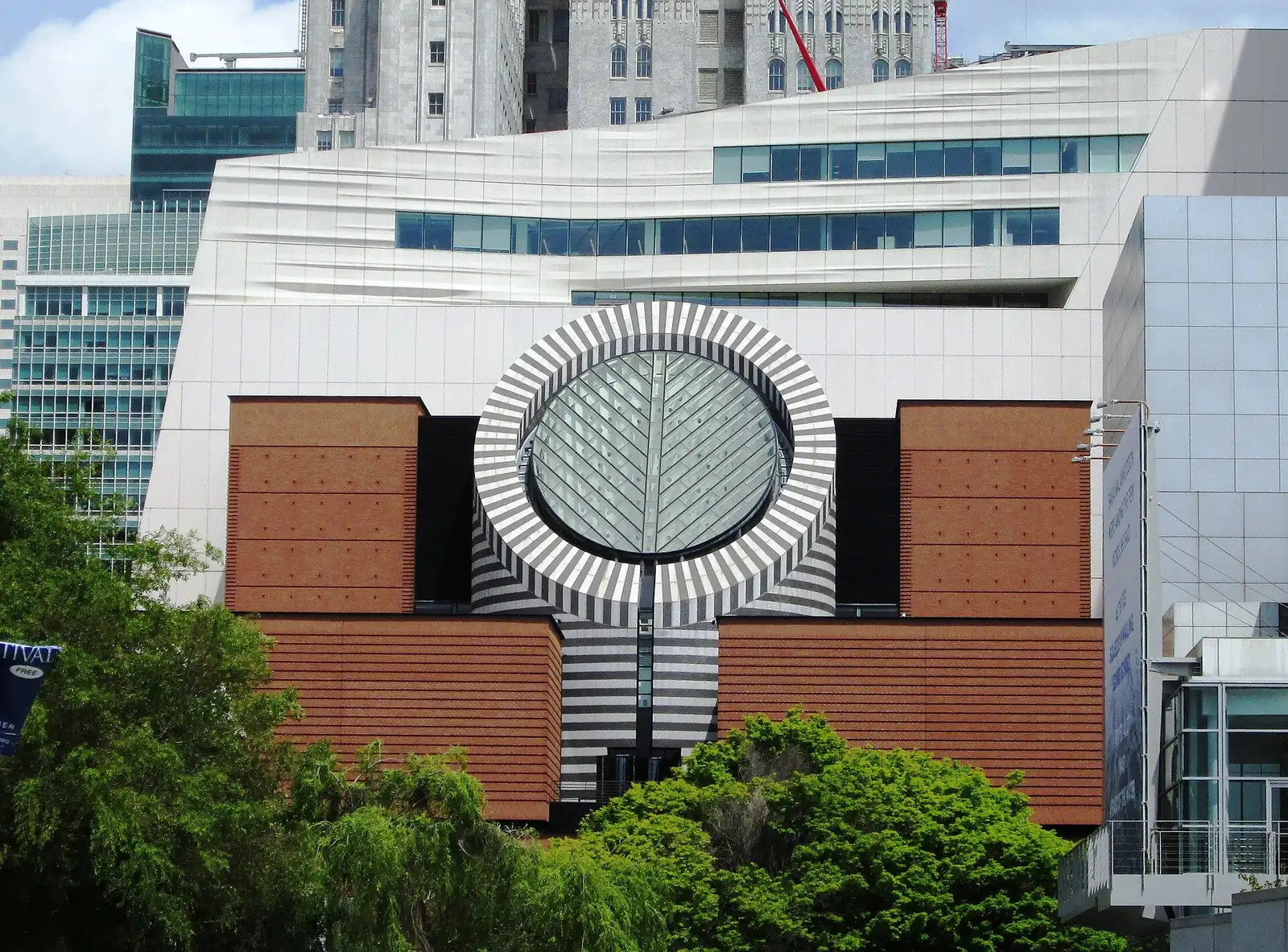
Other collections include MoMA, the Met, the Smithsonian, Stanford, the Thyssen and Shiga. Collection ownership does not guarantee display; check current object and visitor information before travelling.
What are the key dates in Clyfford Still's life?
Clyfford Still’s timeline connects a western education with postwar abstraction, selective exhibitions and a museum established three decades after his death.
- 1904: Born 30 November in Grandin, North Dakota. [8]
- 1925 to 1935: Brief Art Students League attendance; Spokane degree in 1933; Washington State MFA in 1935. [22] [24]
- 1937 to 1942: Co-founds Nespelem Art Colony in 1937; transitions to abstraction between 1938 and 1942. [25] [1]
- 1943: First San Francisco solo show; meets Rothko; begins teaching in Virginia. [27]
- 1946 to 1950: Art of This Century solo show in 1946; leads graduate painting in San Francisco. [27] [28]
- 1950 to 1952: Signs Met protest; leaves Parsons; joins Fifteen Americans with a separate gallery. [33] [31] [32]
- 1957 to 1964: Marries Patricia in 1957; Buffalo survey in 1959; Maryland move in 1961; Buffalo gift in 1964. [25] [27] [15]
- 1972 to 1978: American Academy of Arts and Letters Award of Merit in 1972; Skowhegan Medal in 1975; Academy membership in 1978. Signs will on 2 May 1978. [27] [30]
- 1979 to 1980: Met retrospective; dies in Baltimore on 23 June 1980, aged 75. [34] [27]
- 2004 to 2011: Patricia chooses Denver in 2004; museum opens 18 November 2011. [3]
Sources and image credits
Research and Commons licences checked on 30 October 2026. Museum records supply object facts; criticism is attributed to its author. Looking exercises are Piet Baudoin’s suggestions. Korean- and Arabic-language research did not yield a verified critical account for this page; that does not establish an absence of interest in those regions.
Each photograph’s caption links its Commons record and licence and identifies the conversion. ShareAlike versions retain the stated licence. The header is an original illustration, not a Still painting; the protest letter is linked without reproducing its scan.
- Clyfford Still Museum, Clyfford Still. Undated biography.
- Clyfford Still Museum, Abstract Expressionism. Undated movement and technique guide.
- Clyfford Still Museum, About Us, Museum History. Denver selected in 2004; museum opened 18 November 2011; undated.
- Clyfford Still Museum, Random Questions. Undated educator activity.
- Anderson Collection at Stanford University, 1957-J No. 1 (PH-142), 1957. Object record, audio transcript and interpretation by Sidney Simon; undated.
- Douglas Dreishpoon, curator, Clyfford Still: Paintings from the Collection, Buffalo AKG, 18 February to 10 April 2005.
- Clyfford Still Museum, What is Clyfford Still's Work About? Undated; original occasion of the quoted statement not supplied.
- Whitney Museum of American Art, Clyfford Still. Undated artist and collection account.
- Metropolitan Museum of Art, 1947-H No. 1 (PH-265), 1947. Object 2006.32.60; undated record.
- Paloma Alarcó, 1965 (PH-578), Museo Nacional Thyssen-Bornemisza. Object 766, oil on canvas; undated Spanish interpretation.
- Clyfford Still Museum, Frequently Asked Questions. Undated; materials and biographical explanations.
- Peter Plagens, Clyfford Still's Sublime Art, Smithsonian Magazine, December 2011. Includes Irving Sandler's critical judgement.
- Guggenheim Museum Bilbao, PH-950, 1950. Teaching guide with 2016 rights line; includes Still's 1949 statement on titles.
- Clyfford Still Museum, Art Collection. Undated; collection estimates and PH inventory explanation, accessed 30 October 2026.
- Buffalo AKG Art Museum, 1957-D-No. 1 (PH-48), 1957. Object K1959:26; includes a label from Shade: Clyfford Still / Mark Bradford, 2016.
- Museum of Modern Art, 1944-N No. 2, 1944. Object 655.1967; interpretation from MoMA Highlights, revised 2004, originally 1999.
- Museum of Modern Art, Clyfford Still. Undated artist index and collection records.
- Smithsonian American Art Museum, 1946-H (Indian Red and Black), 1946. Object 1980.5.10; undated record.
- Shiga Museum of Art, PH-386, 1955. Japanese object record and interpretation; undated.
- Shiga Museum of Art, Masterpieces of SMoA Collections, Gallery 2, exhibition list, 13 September to 30 November 2025. Records PH-386 and fiscal-year 1988 acquisition.
- Farrah Cundiff, Clyfford and Patricia Still Archives finding aid, Clyfford Still Museum, 2020, pp. 2 and 3. Full names, 23,500 photographs and estate history.
- Guggenheim Museum Bilbao, Clyfford Still, biographical chronology. Spokane degree in 1933; undated.
- Museo Nacional Thyssen-Bornemisza, Clyfford Still. Undated biography.
- Kimberly Roberts, Through the Camera’s Eye: Clyfford Still at the Grand Coulee Dam, Clyfford Still Museum. MFA and 1936 photographs; undated.
- Wikipedia, Clyfford Still. Biographical cross-reference for Nespelem, marriages and death; consulted 30 October 2026.
- Clyfford Still Museum, Tell Clyfford I Said Hi: An Exhibition Curated by Children of the Colville Confederated Tribes. Opening September 2025; co-curated with Colville children, Bailey Placzek and Nicole Cromartie. Includes Kloey's response to PH-796.
- Peggy Guggenheim Collection, Clyfford Still. Biography, exhibitions, awards and death; undated.
- Clyfford Still Museum, Clyfford Still and the San Francisco Scene, 1946 to 1950. Exhibition account, 2016 context; Dean Sobel and Bailey Harberg Placzek.
- Kristin Kirsch Feldkamp, Patricia Garske Still (1920 to 2005), Clyfford Still Museum. Patricia Alice Garske and the legacy; undated.
- Geoff Van Dyke, Clyfford Still’s Unyielding Will, 5280, November 2011. Will signed 2 May 1978.
- Alina Cohen, How Clyfford Still Took Control of the Market for His Work, Artsy, 30 December 2019.
- Artsy Editorial, Amid Strict Regulations, the Clyfford Still Museum Is Finding Creative Ways to Cultivate the Artist's Legacy, 8 November 2016; updated 10 November 2016.
- Open Letter to Roland L. Redmond, 20 May 1950, published 22 May 1950. Commons record of the Archives of American Art document; linked, not reproduced.
- John P. O'Neill, editor, Clyfford Still, Metropolitan Museum of Art. Museum publication record dated 1980; documents the 1979 to 1980 exhibition.
- Clyfford Still Museum Archives, Archives Research Onsite and Online. Undated; correspondence, objects and research access.
- Smithsonian American Art Museum, Clyfford Still. Undated biography, education and correspondence account.
- Clyfford Still Museum, Architecture. Brad Cloepfil's architect statement, materials and dimensions; undated, accessed 30 October 2026.
- The Art Wolf, Masterpiece by Clyfford Still sells for $61.6 million, 11 November 2011, reporting Sotheby’s results. Four Denver paintings, individual prices and endowment purpose.
- Sotheby’s, Highlights on View in New York, 13 to 21 December 2025. Confirms the 2011 result for 1949-A-No. 1.
- Christie’s, Post-War and Contemporary Art Evening Sale results, 10 May 2016, p. 1, lot 28B, PH-234. Prices include buyer’s premium.
- Sotheby’s, Monet, Basquiat and Twombly Headline a $702 Million Week of Auctions, 12 May 2021. PH-125 result.
- MutualArt, Clyfford Still, auction-results overview. Artist record $61,682,500; accessed 30 October 2026.
- Artnet Magazine, Still & Richter Star at Sotheby’s Contemporary Art Auction, 10 November 2011. Sale results including premium.
- Sarah E. Fensom, Clyfford Still: The Purist, Art & Antiques. Undated on the accessed page; consulted 30 October 2026.
- Robert Hughes, Art: The Tempest in the Paint Pot, TIME, 26 November 1979.
- Museo Reina Sofía, Clyfford Still (1904 to 1980), exhibition 7 April to 1 June 1992. Spanish institutional interpretation, including Michael Auping.
- Katherine Meredith, Canadian and American Abstract Painting: Intersections in the Work of Clyfford Still and Kenneth Lochhead, 2012. Academic course paper hosted by the Centre for Contemporary Canadian Art.
- Shiga Museum of Art, SMoA Collection, third period: Masterpieces, 13 September to 30 November 2025. Japanese exhibition account and collection context.
- Shiga Prefectural Museum of Modern Art, official blog, Autumn permanent display begins, 2 September 2014. Japanese original.
- Ashida (芦田彩葵), マーク・ロスコのマルチフォーム作品にみる画面構成, Bijutsushi Ronshū 19, pages 77 to 98, 22 February 2019. Kobe University repository, DOI 10.24546/E0041798. Japanese original.
- Coco Liu, Abstract Expressionism exhibition review, SHIFT Japanese edition, 30 January 2017, page 2.
- Liu Zhenfeng (刘震风), 当自己的老板,他如何从画廊手中抢回市场?, Artron Art Market Monitor, 22 April 2020. Chinese original; interpretations attributed to Anfam and Polcari.
- Clyfford Still Museum, Clyfford Still, Art, and the Young Mind, 2022 exhibition and subsequent resources. Bailey H. Placzek and Nicole Cromartie; children as co-curators and 346-survey account.
- Trainer Evaluation, Clyfford Still, Art, and the Young Mind: Summative Evaluation Report, 2022. Local visitor study; findings on pages 5 and 6 of the PDF.
- Clyfford Still Museum, Plan Your Visit. Official visitor information; consult again before travelling.
- San Francisco Museum of Modern Art, Clyfford Still. Undated collection index.
- Bow Island, Alberta, circa 1910 according to Commons. Original photographer unidentified; digital image shared by Jason Woodhead, CC BY 2.0.
- Robert Ashworth, Views from 12th floor Webster Hall at WSU in Pullman, 22 August 2013. CC BY 2.0.
- StoicShamon, Photo of Grand Coulee Dam from above, 11 September 2020. CC BY-SA 4.0.
- Ksk2875, Clyfford Still House New Windsor Maryland, photograph, 23 March 2013. CC BY-SA 3.0.
- Trueshow111, GlyffordStillMuseum1, photograph, 17 October 2011. CC0 1.0.
- Beyond My Ken, 2017 SFMOMA from Yerba Buena Gardens, 19 April 2017. CC BY-SA 4.0 selected from the offered licences.
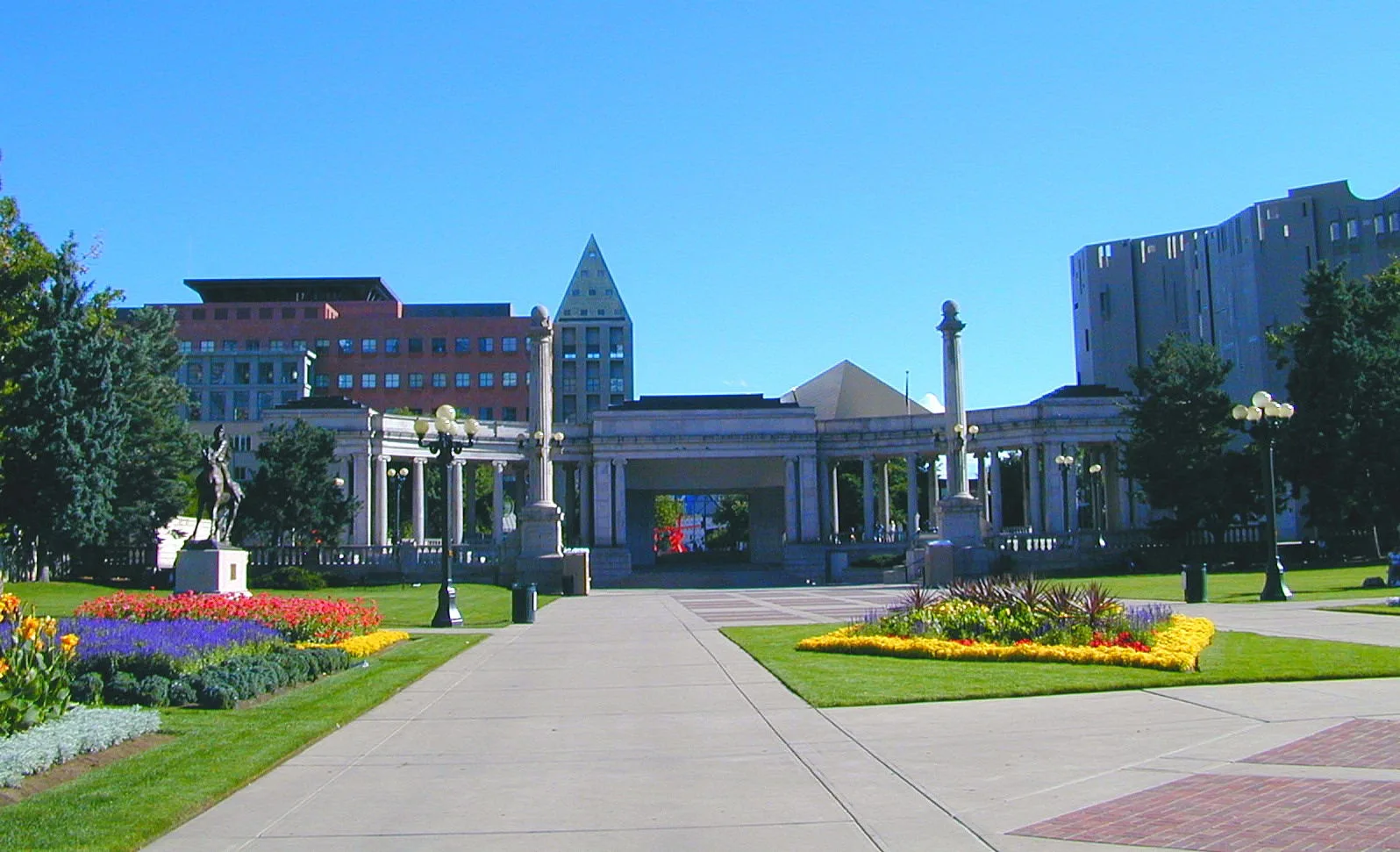
- Vertigo700, Civiccenter1, photograph of Denver Civic Center, August 2005. CC BY-SA 3.0.
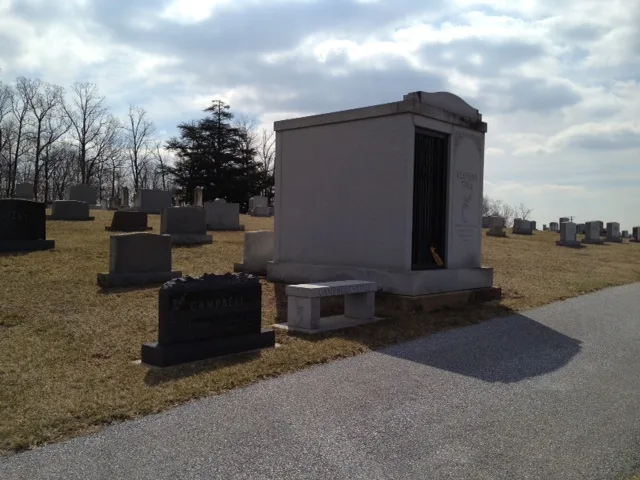
- Ksk2875, Clyfford Still Mausoleum, photograph, 23 March 2013. CC BY-SA 3.0.
- Clyfford Still Online, PH-1123 (1954 No. 2), 1954. Museum object record; JavaScript may be required.


